
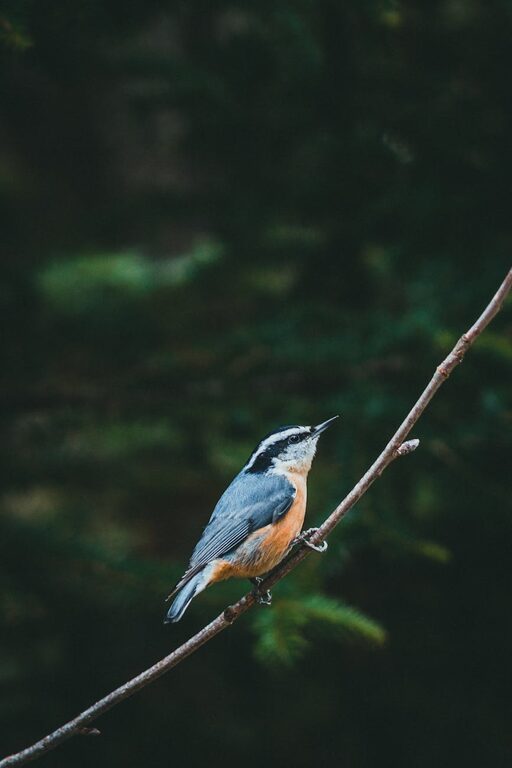
Birdwatching is a relaxing and rewarding hobby that anyone can enjoy, right from the comfort of their own backyard. Whether you live in a city, suburb, or countryside, there are likely birds nearby waiting to be observed. If you’re new to birdwatching, the variety of birds and equipment might feel overwhelming. This beginner’s guide will walk you through simple tips to start birdwatching in your backyard easily and enjoyably.
Why Birdwatching?
Birdwatching combines curiosity, patience, and nature appreciation. It encourages mindfulness and connects us to the environment. Plus, it’s a hobby that grows with your knowledge—there’s always a new species to discover or behavior to understand.
Getting Started: Essential Tips for Beginners
1. Create a Bird-Friendly Environment
Attracting birds is the first step to birdwatching. Here’s how to make your backyard welcoming:
– Provide Food: Install a bird feeder with seeds like sunflower, millet, or nyjer. Different birds prefer different seeds, so consider multiple feeder types.
– Offer Water: A birdbath or small water feature gives birds a place to drink and bathe.
– Add Shelter: Shrubs, trees, and native plants offer protection and nesting sites.
– Avoid Chemicals: Minimize pesticide or herbicide use to create a safe habitat.
2. Choose the Right Time
Bird activity is usually highest around dawn and just before dusk. Early mornings are especially great because birds are actively feeding after the night. Try to observe during these periods for more sightings.
3. Use Simple Tools
You don’t need expensive gear to begin birdwatching. Here’s what helps:
– Binoculars: A pair with 8x to 10x magnification is perfect for beginners.
– Field Guide or App: Use a local bird identification book or smartphone app to recognize species.
– Notebook: Keep a simple journal to record what you see—dates, species, behaviors.
4. Learn to Identify Common Backyard Birds
Start with birds you are likely to see often. Familiar species might include sparrows, robins, cardinals, blue jays, or chickadees. Observe colors, sizes, shapes, beak types, and behaviors to help with identification.
5. Be Patient and Quiet
Birds are shy and easily startled. Approach quietly and avoid sudden movements. Sitting still near your feeder or favorite spot gives birds time to appear without fear.
Expanding Your Birdwatching Skills
Once you’re comfortable with the basics, try these ideas to deepen your experience:
1. Keep a Birdwatching Log
Regularly noting your observations — which birds, how many, and what time — can help track migration patterns or seasonal changes.
2. Try Different Feeders and Foods
Different species prefer different feeders such as tube feeders, suet cages, or platform feeders. Experiment with sunflower seeds, suet cakes, or fruit slices to attract more types.
3. Learn Bird Calls
Each bird has unique calls and songs. Use apps or websites to listen to calls and match them to birds in your backyard.
4. Photograph Your Birds
A camera or smartphone can capture your sightings. Photos are useful for identification and sharing with other birdwatchers.
5. Connect with Local Birdwatching Groups
Many communities have birdwatching clubs or nature centers with events and resources. Joining a group can increase your knowledge and enjoyment.
Common Backyard Birds to Watch For
Here are a few species often found in backyards across North America:
– Northern Cardinal: Bright red males and brownish females, often seen on feeders.
– American Robin: Large, orange-breasted bird known for its melody.
– Black-capped Chickadee: Small, friendly birds with a distinctive “chick-a-dee-dee” call.
– Blue Jay: Bold blue and white birds that often visit feeders.
– Mourning Dove: Soft gray-brown birds with gentle cooing sounds.
Knowing these common visitors helps build confidence in identification.
Tips for Responsible Birdwatching
– Don’t disturb nests or birds during breeding seasons.
– Use feeders and birdbaths that you clean regularly to prevent disease.
– Observe from a safe distance and never attempt to handle wild birds.
– Avoid feeding bread or processed foods that can harm birds.
Conclusion
Backyard birdwatching is an accessible and enjoyable way to connect with nature. By creating a friendly space for birds and learning simple observation techniques, beginners can quickly find joy in the diverse birdlife around them. Remember to be patient, stay curious, and take time to appreciate the small wonders visiting your outdoor space. Happy birdwatching!
—
If you’ve found these tips helpful, share your backyard birdwatching story or favorite bird species in the comments below!