
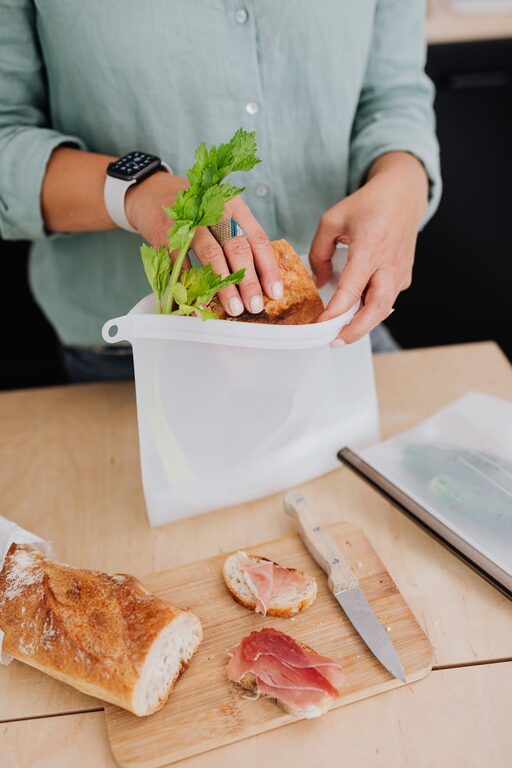
Reducing food waste at home is not only good for your budget but also beneficial for the environment. When food is wasted, the resources used to produce, transport, and store it are also wasted, contributing to pollution and greenhouse gas emissions. Fortunately, small changes in how we shop, cook, and store food can make a big difference. This blog post explores practical steps you can take to minimize food waste in your household.
Why Reducing Food Waste Matters
Food waste has a significant environmental impact. According to studies, about one-third of all food produced globally is lost or wasted. This means water, land, energy, and labor all go into creating food that never gets eaten. By cutting down on waste, we conserve resources, reduce landfill burden, and lower greenhouse gas emissions.
Plan Your Meals Ahead
Create a Shopping List Based on Your Weekly Plan
Before heading to the grocery store, plan your meals for the week. This helps you buy only what you need, preventing impulse purchases and unnecessary surplus.
– Check your pantry and fridge to avoid buying items you already have.
– Write down exact quantities to avoid overbuying.
– Stick to the list while shopping.
Use Smaller Shopping Trips
Shopping more frequently but buying less at a time can help you keep food fresh and reduce the risk of items expiring before use.
Smart Storage Techniques
Proper storage extends the life of your food. Here are some tips:
– Store fruits and vegetables separately; some fruits like apples emit gases that accelerate ripening.
– Use airtight containers to keep foods fresh longer.
– Keep your fridge at the right temperature (around 37-40°F or 3-4°C).
– Freeze leftovers or surplus perishables if you won’t use them soon.
Understand Expiration Dates
Many people throw away food based on “best before” or “sell by” dates, though these dates often refer to food quality, not safety.
– Use your senses: smell, sight, and texture can help decide if food is still good.
– Learn the difference between “use by” (safety) and “best before” (quality) dates.
Use Leftovers Creatively
Leftovers don’t have to be boring or wasted. Try these ideas:
– Turn stale bread into croutons or breadcrumbs.
– Use vegetable scraps to make stock or soup.
– Incorporate leftover veggies into omelets, stir-fries, or casseroles.
– Repurpose cooked rice or pasta into salads or fried rice dishes.
Practice Portion Control
Serving or cooking more than needed often leads to plate waste.
– Start with smaller portions and go back for seconds if hungry.
– Save extras for another meal instead of discarding.
Compost Food Scraps
Composting food scraps like peels, cores, and coffee grounds turns waste into nutrient-rich soil for plants.
– Set up a compost bin in your backyard or use a small indoor compost container.
– Avoid composting meat or dairy, which can attract pests.
Donate Surplus Food
If you have unopened, non-perishable food items that you won’t use, consider donating them to local food banks or shelters instead of tossing them.
Educate Your Household
Get everyone involved:
– Share these tips with family members.
– Encourage mindful eating and cooking practices.
– Make reducing food waste a fun and rewarding family challenge.
Final Thoughts
Reducing food waste at home is easier than you might think. Through mindful shopping, smart storage, creative cooking, and simple daily habits, you can save money, reduce environmental impact, and enjoy fresher meals. Start with one or two tips and build up these habits over time for lasting benefits.
By making food waste reduction part of your routine, you contribute to a healthier planet and a more sustainable future.